
The International Institute of Tropical Agriculture (IITA), in partnership with the Rwanda Agriculture and Animal Resources Development Board (RAB), has intensified efforts to strengthen Rwanda’s cassava seed system through a comprehensive capacity-building training aimed at equipping sector agronomists with advanced knowledge and skills in cassava seed production.
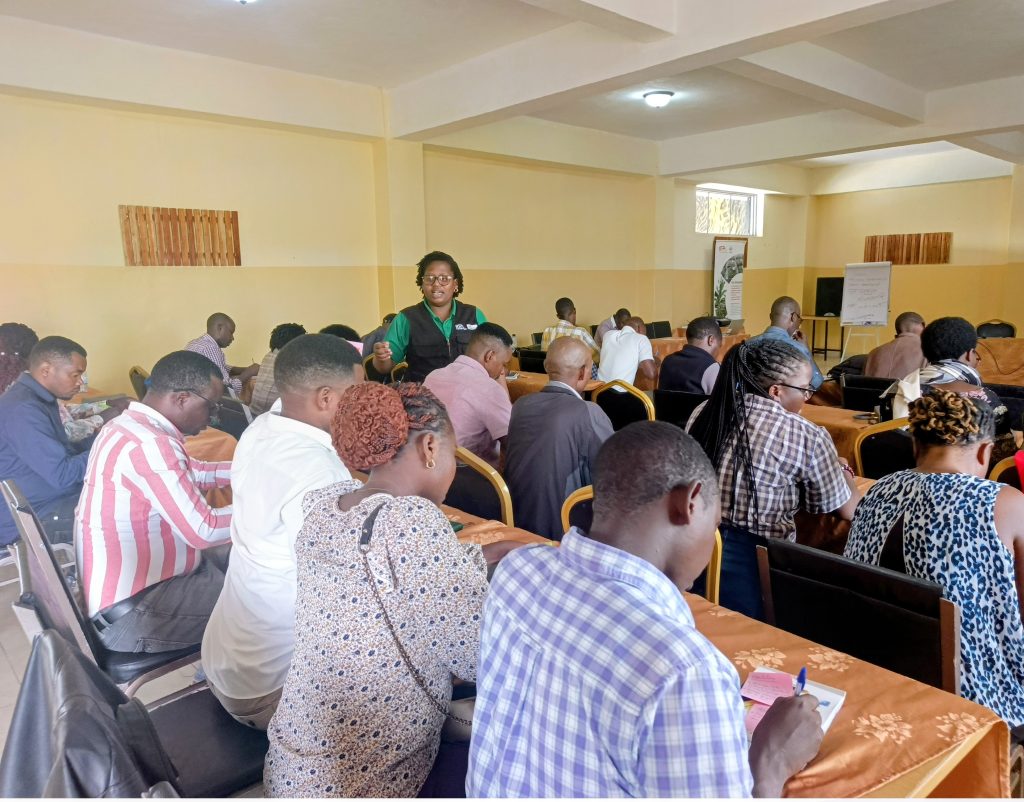
Held from 13–14 July 2026 at Muhanga Splendid Hotel, the two-day training brought together some sector agronomists from Kayonza, Ngoma, Rwamagana, Gatsibo and Bugesera Districs where IITA activities are being implemented to enhance their technical capacities and reinforce their role in supporting the development of sustainable cassava seed systems. Organized and facilitated by IITA in collaboration with RAB, the training forms part of broader interventions to improve the availability and accessibility of quality cassava planting materials across Rwanda.
Cassava remains one of Rwanda’s strategic food and cash crops, contributing significantly to household food security, income generation, and the resilience of rural communities. However, ensuring consistent access to high-quality planting materials remains a key challenge that requires coordinated action among research institutions, government agencies, extension services, and local seed entrepreneurs.
Recognizing this need, IITA has continued to play a leading role in supporting the development of Cassava Seed Entrepreneurs (CSEs), who are increasingly becoming central actors in the multiplication and distribution of improved cassava varieties. Through its technical expertise and long-standing commitment to agricultural transformation, IITA is helping to establish a robust and sustainable seed system capable of meeting farmers’ growing demand for quality cassava seeds.
The success and sustainability of Cassava Seed Entrepreneurs largely depend on the availability of strong technical support and effective extension services at the local level. Sector agronomists serve as key intermediaries between research institutions and farming communities, providing guidance on seed production standards, disease management, agronomic practices, and quality assurance mechanisms. Their continued professional development is therefore essential to maintaining high-performance seed systems.
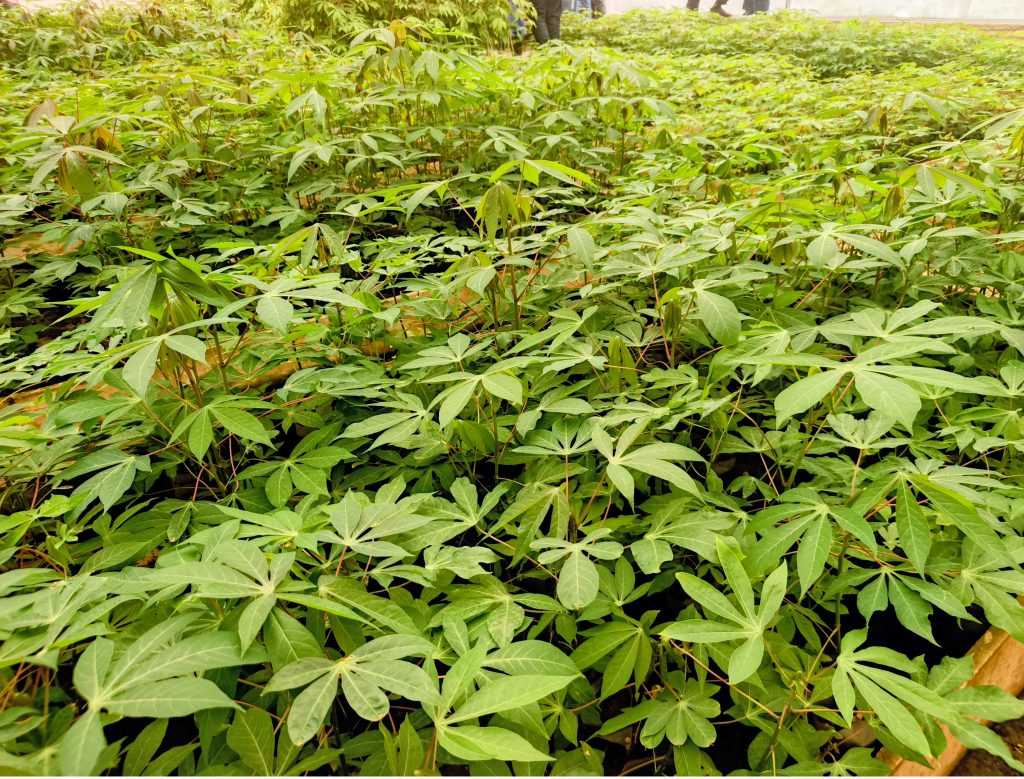
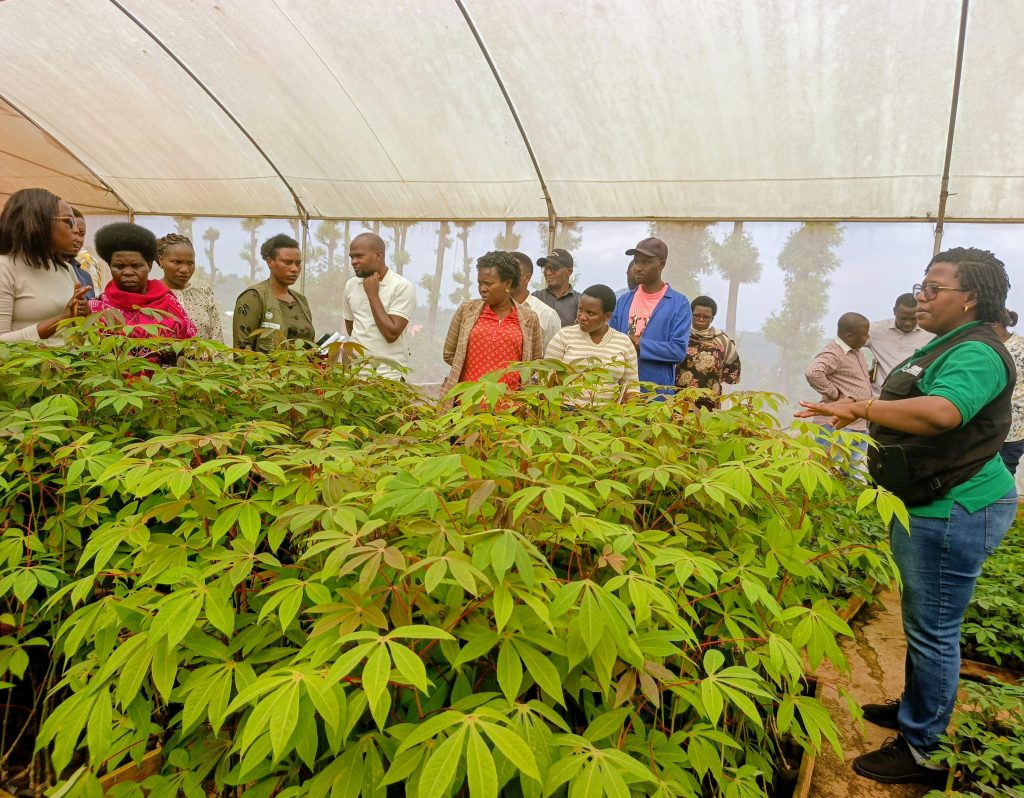
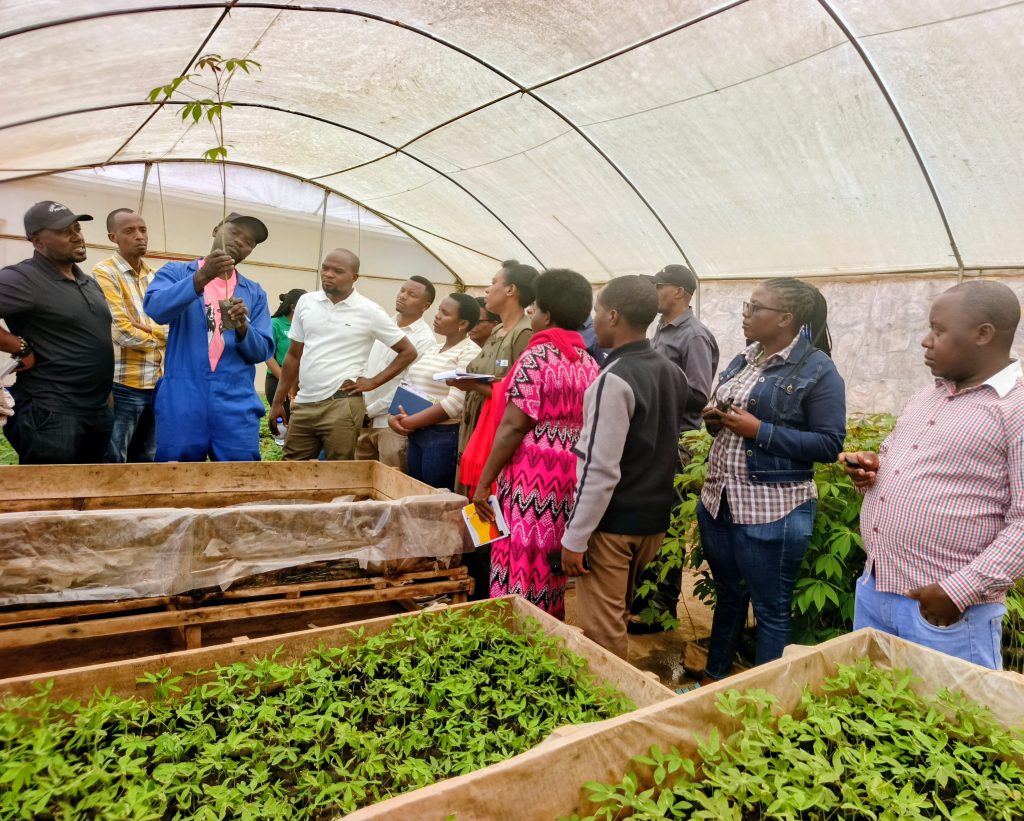
The training organized by IITA focused on strengthening participants’ understanding of modern cassava seed production techniques and best practices. Sessions covered various aspects of the cassava seed value chain, including seed multiplication approaches, quality control measures, pest and disease management, and strategies for supporting and monitoring Cassava Seed Entrepreneurs within their respective sectors.
By investing in the capacity of local extension actors, IITA and RAB aim to create an enabling environment that fosters innovation, improves productivity, and enhances farmers’ access to certified planting materials. The initiative also reflects the institutions’ shared commitment to promoting agricultural development through evidence-based interventions and strong partnerships.
Speaking about the importance of the training, organizers emphasized that strengthening human capacity at the local level remains a critical pillar for building resilient agricultural systems. Equipped with new knowledge and practical skills, sector agronomists are expected to provide more effective technical backstopping to cassava seed producers, ultimately contributing to increased productivity and improved livelihoods for farming households.
The collaboration between IITA and RAB demonstrates the power of strategic partnerships in addressing agricultural challenges and accelerating the transformation of Rwanda’s cassava subsector. Through continuous training, technical assistance, and support to local seed entrepreneurs, the two institutions are laying the foundation for a more efficient and sustainable cassava seed system.
As Rwanda continues to prioritize agricultural modernization and food security, initiatives such as this training underscore the importance of investing in human capital and strengthening extension services. The active leadership of IITA in organizing and delivering this capacity-building program marks another important milestone in the collective effort to ensure that farmers across the country have access to high-quality cassava planting materials, paving the way for increased production, greater resilience, and sustainable agricultural growth.