

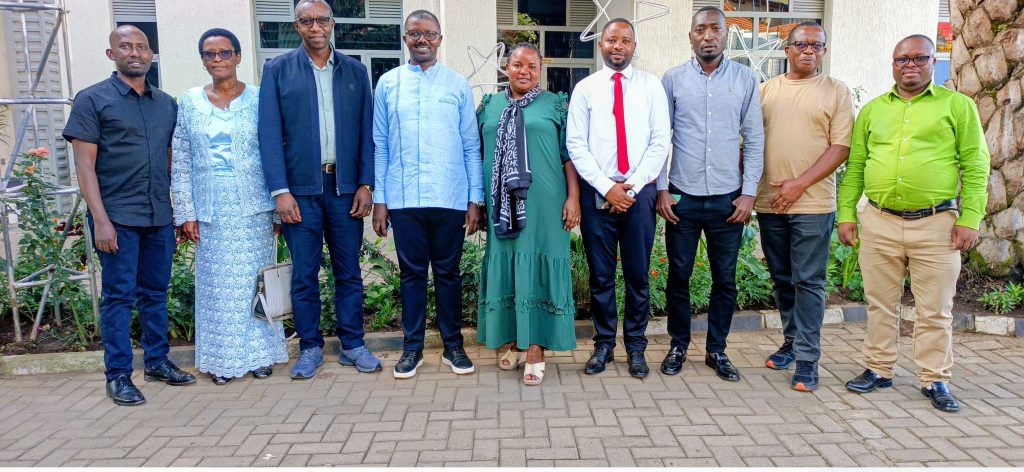
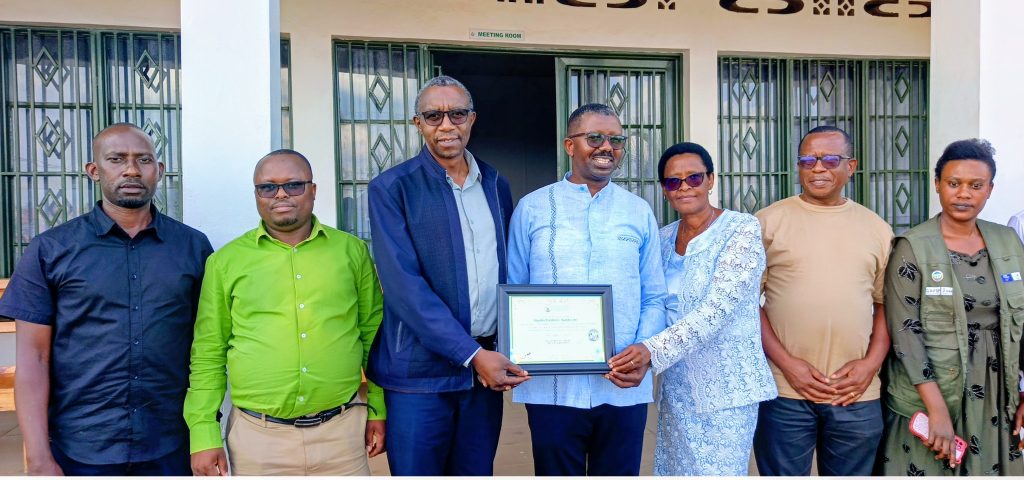
On June 12, 2026, the Ingabo Farmers’ Association had the honor of hosting a high-level delegation led by the Vice Mayor in Charge of Economic Development of Gisagara District, Southern Province. The visit underscored the strong and growing partnership between local government and farmer organizations in advancing sustainable agricultural development and improving the well-being of rural communities.
The delegation toured the association’s activities and engaged in productive discussions with leaders and members of the Ingabo Farmers’ Association. The visit provided an opportunity to reflect on ongoing achievements, share experiences, and explore new avenues for collaboration aimed at transforming agriculture into a driver of economic growth and food security.
Speaking during the visit, representatives from both Gisagara District and the Ingabo Farmers’ Association expressed their appreciation for the fruitful cooperation that has continued to deliver positive outcomes for farmers and communities. They reaffirmed their commitment to working closely together to accelerate socio-economic development through innovative and inclusive agricultural initiatives.
The two parties pledged to strengthen efforts focused on increasing agricultural productivity, promoting modern farming practices, enhancing market access, and improving farmers’ livelihoods. Particular emphasis was placed on initiatives that empower smallholder farmers, create employment opportunities, and contribute to sustainable food systems.
This visit marks another important milestone in the shared vision of building resilient farming communities and ensuring food security for all. By fostering strong partnerships and collective action, Gisagara District and the Ingabo Farmers’ Association continue to demonstrate their dedication to creating a prosperous agricultural sector that contributes to Rwanda’s broader development agenda.
As the collaboration moves forward, both institutions remain committed to championing initiatives that drive economic growth, improve household incomes, and support the national goal of eradicating food insecurity across Rwanda.
